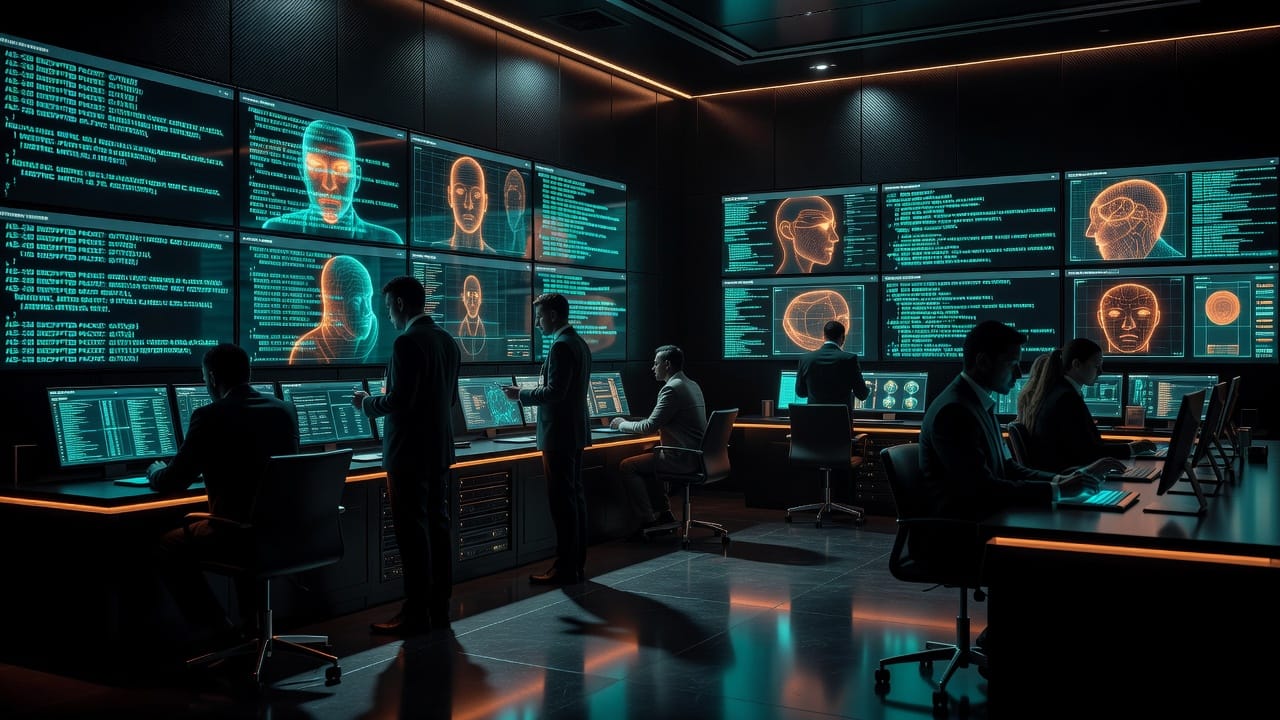
As the calendar turns toward a monumental 2026 examination season in India-with major notifications already released for the UPSC, SSC, and banking sectors-the focus has shifted from mere preparation to the structural integrity of the testing process itself. Following a series of high-profile challenges to national entrance exams, a new consensus is emerging among technology experts, policy analysts, and educational bodies. The goal is the implementation of a "Zero-Knowledge" examination model, a sophisticated digital public infrastructure designed to ensure that not even the paper setters, vendors, or center administrators can access a final question paper before the exam begins.
The scale of the challenge is unprecedented. According to reports from the Department of Personnel and Training (2025), for every 10,000 government jobs announced, over one crore applications may be submitted. In 2024 alone, approximately 13.4 lakh students appeared for the UPSC Prelims, according to data cited by Vajiram Editor (2026). With such high stakes, the traditional methods of physical paper distribution and centralized digital databases have become targets for sophisticated bad actors. The proposed solution moves beyond simple encryption, advocating for a Zero Trust Architecture as defined by the National Institute of Standards and Technology (NIST), where every user, device, and network flow is treated as a potential threat until verified.

The Zero-Knowledge Framework: AI as the Ultimate Proctor
At the heart of the proposed reform is an agentic AI system. Unlike traditional question banks where a final paper is curated weeks in advance, the zero-knowledge model involves thousands of independently reviewed questions stored in a decentralized, encrypted vault. Minutes before the examination starts, an autonomous AI engine assembles a unique, balanced paper for every candidate or center. This ensures that the "final paper" does not exist as a single file until it is decrypted at the terminal.
This process is secured by threshold cryptography, requiring multiple independent digital signatures from different government and examination bodies to unlock the assembly algorithm. No single official holds the master key. This shift from human-led curation to AI-driven assembly removes the most vulnerable link in the chain: the insider with early access to the paper.
Technological Pillars: From Biometrics to Blockchain
The proposed architecture rests on several critical technological pillars. First, biometric authentication-specifically AI-enabled facial recognition-is already seeing pilot success. Business Standard reported that the UPSC successfully conducted a pilot program to test facial authentication technology during the NDA and NA II Examinations in April 2026. This ensures that candidate substitution is virtually impossible.
Second, the use of Hardware Security Modules (HSMs) ensures that cryptographic keys are stored in tamper-evident hardware. When combined with time-locked decryption, papers remain inaccessible until the exact millisecond the exam begins. To address the auditability gap, blockchain technology is proposed to maintain an immutable audit record. Every access attempt, system log, and question assembly event is etched into a ledger that cannot be altered, providing transparent proof of integrity without compromising the privacy of the questions themselves.
"Transparency in recruitment isn't just about clear results; it's about a secure, unhackable journey from the question bank to the student's screen. The technology exists to make leaks a mathematical impossibility." - Recent analyst commentary on competitive exam reforms.
Implementation Strategy: The Role of Digital Public Infrastructure
Implementing such a massive overhaul requires deep expertise in scalable digital infrastructure. Tech leaders like IndiaNIC are positioned to collaborate with government agencies to design and operate these secure systems. Their experience in building high-concurrency, secure platforms is essential for the national roadmap, which includes phased pilots starting with computer-based exams (CBT) for central services.
To ensure inclusivity, the roadmap proposes an encrypted "print-on-demand" system for low-connectivity rural areas. In this model, papers are delivered in an encrypted format to highly secure, offline-capable printers at centers. These printers only activate upon a biometric trigger and a time-locked key, applying invisible watermarks specific to each center and candidate. This allows for rapid forensic tracing if any physical document is illegally photographed.
Challenges, Risks, and the Path Forward
No system is without its limitations. The costs of hardware security modules and AI compute for national-scale exams are significant. Furthermore, red-team security audits, as recommended by OWASP guidelines, must be constant to stay ahead of evolving cyber threats. AI bias testing is also crucial to ensure that automated question assembly remains fair and balanced across different languages and regions.
Despite these costs, the measurable success criteria-zero reported leaks, reduced litigation over exam fairness, and faster recruitment cycles-far outweigh the initial investment. As the 2026 exam calendar fills up with opportunities for India's youth, the priority must be restoring student trust. By uniting government bodies, technology companies like IndiaNIC, and cybersecurity experts, India can build an examination infrastructure that serves as a global gold standard for security and meritocracy.
The call for action is clear: academia, industry, and regulators must join forces. Only through a transparent, high-tech, and zero-trust approach can the dreams of millions of aspirants be protected from the shadows of malpractice. The technology is ready; the question is how quickly we can deploy it to safeguard the next generation.
