


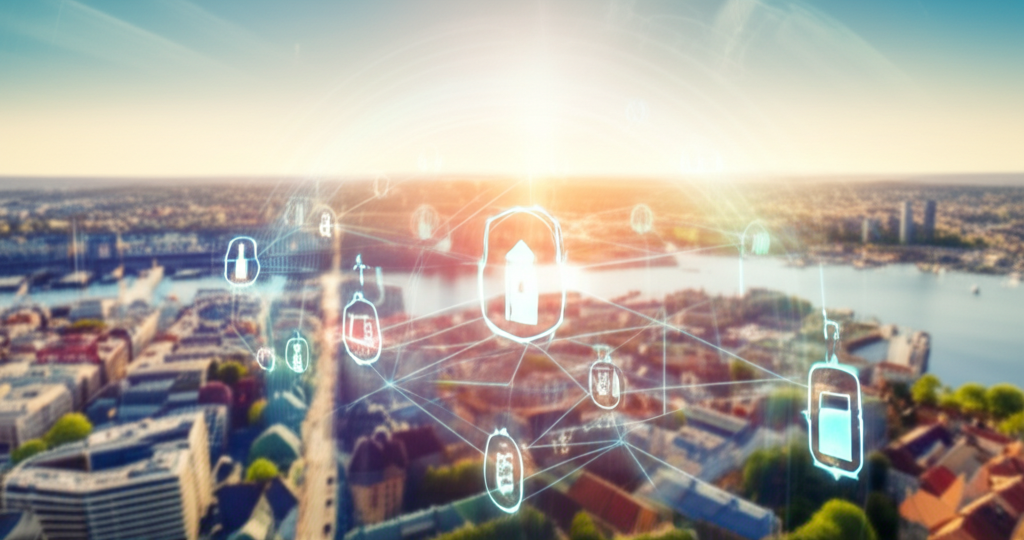
The relentless march of technology, particularly in the realm of electric vehicles (EVs) and broader future mobility trends, often brings us face-to-face with complex systems. My decade-long journey observing these shifts from my base in Oslo has instilled in me a deep appreciation for solutions that prioritize user control and environmental consciousness. This perspective leads me to Clawdbot and its intriguing 'Local First Agent Stack,' a development that resonates profoundly with the evolving needs for privacy and autonomy in our increasingly digital lives.
For too long, the promise of smart automation has been tethered to cloud dependencies. We delegate tasks and data to remote servers, often with little transparent oversight. Clawdbot challenges this status quo by fundamentally re-architecting how automation is conceived and executed. Its core philosophy is built around the principle of processing data and executing automations directly on the user's own hardware, a concept that has significant implications for privacy, reliability, and individual agency.
Redefining Automation: Local First is the New Standard
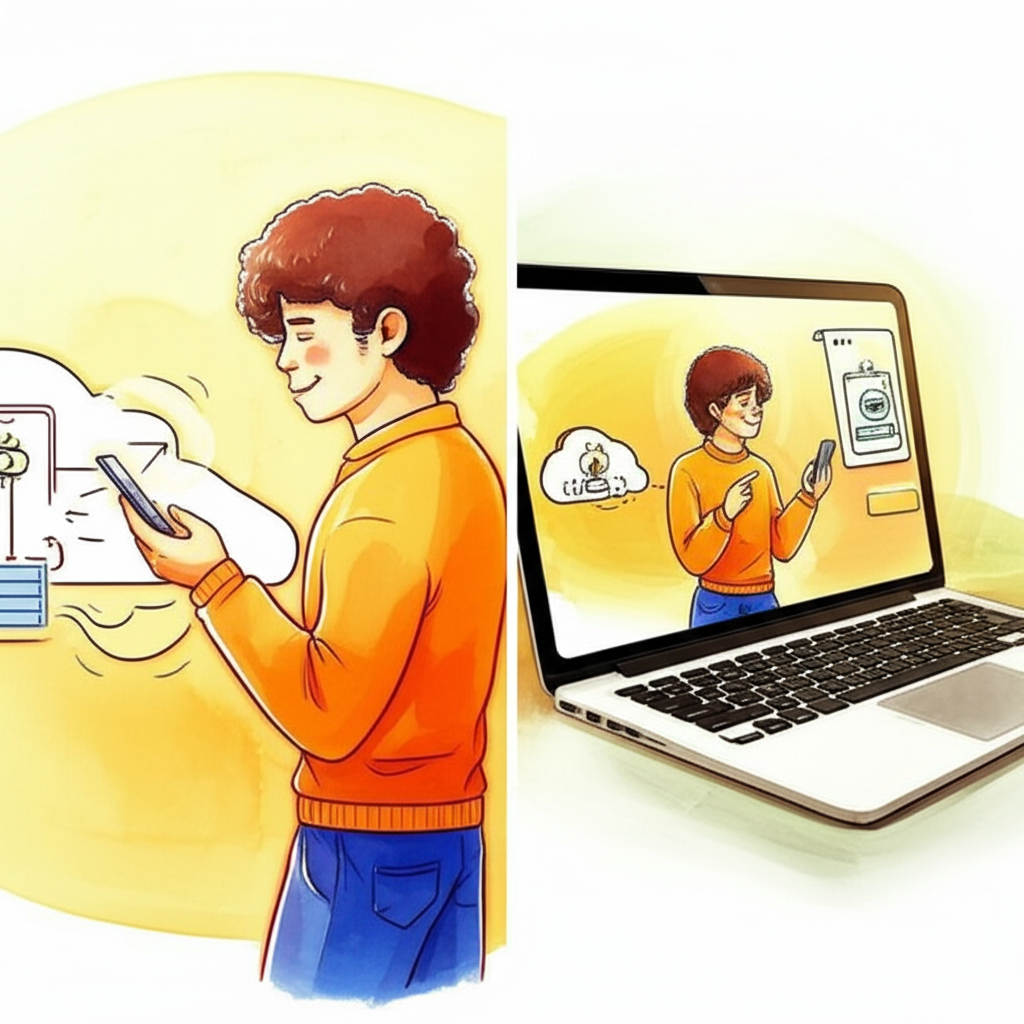
At its heart, Clawdbot's innovation lies in its 'Local First Agent Stack.' This architectural choice signifies a deliberate move away from the ubiquitous cloud-centric model towards a more decentralized and user-empowered approach. Instead of relying on a constant connection to external servers for every computational task, Clawdbot's agents operate predominantly on the user's devices.
This is not merely a technical nuance; it represents a paradigm shift. It means that the digital interactions we initiate, the commands we issue, and the data that underpins our automated workflows are processed and stored locally. This local-first methodology transforms what might otherwise be transient chat conversations into robust, executable automations that reside securely within the user's own digital environment.
From Cloud Dependency to On-Device Empowerment
The dominant model for many AI-powered assistants and automation tools, including those from giants like Google or Microsoft, relies heavily on cloud infrastructure. When you ask an AI to perform a task, your request is typically sent to vast data centers for processing. While this enables powerful, scalable services, it also introduces inherent vulnerabilities and complexities.
Data must be transmitted, often crossing multiple network points, before being processed. This journey can expose sensitive information and raises questions about data sovereignty and long-term storage. Furthermore, the functionality of these tools is often contingent on stable internet connectivity, a factor that can be unreliable, especially in remote areas or during network disruptions. This dependency has become increasingly apparent as we rely on these tools for critical functions.
My own experience over the past ten years, particularly in testing and documenting the transition to green mobility solutions, has often highlighted the need for systems that are not beholden to centralized networks. I remember a challenging field test of a prototype smart charging system for EVs in a region with spotty mobile coverage. The system's reliance on cloud connectivity for real-time pricing and grid integration meant that charging was frequently interrupted, causing significant frustration. It was a clear demonstration of how critical systems can be undermined by an over-reliance on cloud infrastructure, underscoring the value of local processing.
Clawdbot's local-first philosophy directly addresses these limitations. By keeping the processing power and data on the user's machine, it significantly enhances both privacy and reliability. This approach aligns with a growing global sentiment, amplified in my home country of Norway, towards greater digital autonomy and a more sustainable, less data-intensive technological future.
Transforming Chats into Actionable, Private Automations
The practical application of Clawdbot's architecture moves beyond theoretical benefits, offering concrete improvements in how we manage our digital lives and tasks. It's about transforming casual conversational commands into powerful, executable workflows that run efficiently on your own hardware.
Scenario Evolution: From Command to Controlled Workflow
Consider a common scenario: you're using a project management tool like Asana or a communication platform like Slack. You might type a request such as, 'Schedule a follow-up meeting with the R&D team for next Tuesday to discuss the battery efficiency findings, ensuring it doesn't conflict with their existing scrum session.' In a traditional cloud-based system, this might trigger a series of API calls to external calendars and services, with your data potentially passing through multiple intermediary points.
With Clawdbot's local-first agent, the process is fundamentally different. The agent, residing on your machine, could:
- Access your calendar data directly, without needing to upload it to a remote server.
- Query the R&D team's shared calendar, again, locally or via secure, direct connection.
- Identify the 'scrum session' time.
- Propose the optimal time for the new meeting, avoiding conflicts.
- Draft the meeting invitation, populating all necessary details.
- Send the invitation through your configured email client or calendar application.
The entire process - from interpreting your natural language request to executing the complex scheduling task - happens within your controlled environment. This local execution means that the content of your request, the specific details of the R&D team's schedule, and your personal calendar data are never exposed to the broader internet unless explicitly configured for sharing through your own secure channels.
This is particularly relevant for professionals and teams who handle sensitive intellectual property or client data. Imagine automating report generation or data analysis tasks. Instead of uploading proprietary datasets to a cloud AI service for processing, Clawdbot allows the analysis to occur locally, ensuring that sensitive information remains protected. This mirrored approach to how we are increasingly securing our physical environment with robust, on-site security systems translates effectively to the digital realm.
Clawdbot's commitment to a local-first agent stack is not merely a technical preference; it's a philosophical endorsement of user sovereignty in the age of AI, ensuring that our tools serve us without compromising our privacy or control.
The Unfolding Benefits: Privacy, Control, and Sustainable Efficiency
The architectural decision to prioritize local processing for automation yields a cascade of tangible benefits that significantly enhance the user experience and address critical concerns in today's digital landscape:
- Unparalleled Data Privacy: By processing sensitive data on-device, Clawdbot dramatically minimizes the risk of data exposure through cloud breaches or third-party data mining.
- Enhanced Reliability and Offline Functionality: Essential automations remain operational even without a constant internet connection, ensuring continuity for critical tasks.
- User Agency and Control: Users retain direct command over their data, automation logic, and execution, fostering a sense of ownership and trust in AI tools.
- Reduced Latency and Improved Responsiveness: Local processing eliminates network delays, leading to faster, more immediate responses from automated tasks.
- Sustainable Technology: A reduced reliance on constant cloud communication contributes to a more energy-efficient and environmentally conscious technological footprint.
A Look at Automation Models: Local vs. Cloud
To crystallize these advantages, consider the comparative operational models:
| Feature | Cloud-First Automation | Local-First Automation (Clawdbot) |
|---|---|---|
| Primary Data Processing | Remote Cloud Servers | User's Local Device(s) |
| Privacy Exposure Risk | Elevated (Data transmitted externally) | Minimized (Data kept local) |
| Dependence on Internet | High | Low to Moderate |
| User Control Over Logic | Limited by Platform Abstraction | Direct and Extensive |
| Environmental Impact | Higher (Server energy consumption) | Lower (Utilizes existing hardware) |
For instance, research by McKinsey indicates a significant global trend towards sustainable technology adoption, with consumers increasingly valuing products and services that demonstrate environmental responsibility. Clawdbot's local-first approach inherently aligns with this, reducing the energy overhead associated with massive cloud data centers.
The Future of Personal Productivity: Decentralized, Empowered AI
Clawdbot's local-first agent stack represents a visionary leap in personal productivity and the future of AI tools. It provides a framework for building intelligent systems that respect user privacy, ensure operational reliability, and grant users unprecedented control over their digital environments. As we continue to integrate advanced technologies into every facet of our lives, from managing our daily commutes in increasingly electric fleets to orchestrating complex work tasks, the demand for such user-centric solutions will only escalate.
This approach promises a future where AI acts as a truly personal assistant, deeply integrated into our workflows but securely contained within our own digital boundaries. I encourage you to consider how embracing local-first automation can not only streamline your tasks but also safeguard your digital autonomy. Explore Clawdbot, and be part of shaping a more private, reliable, and empowering technological future.


