


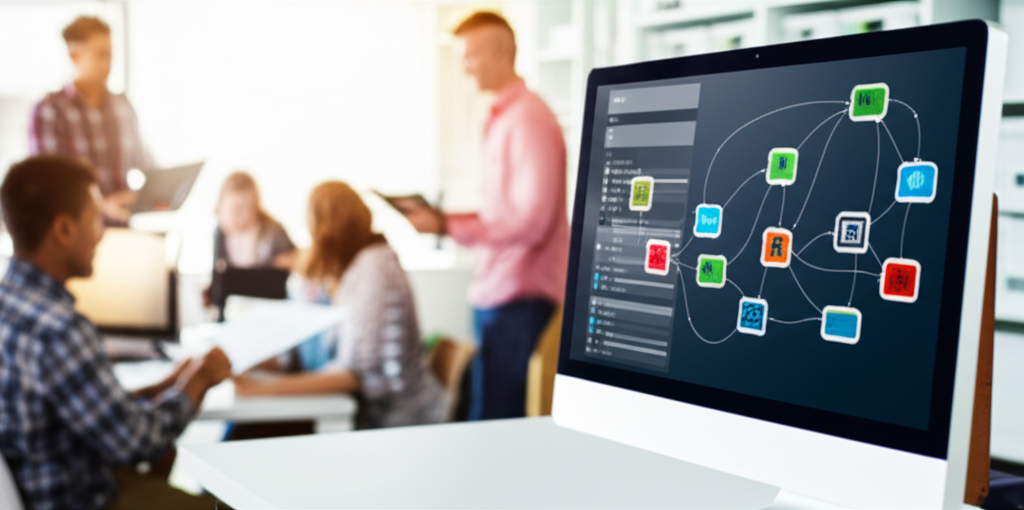
In a definitive move that redefines the boundaries between conversational AI and active workflow automation, Anthropic announced on Monday, January 26, 2026, that its flagship AI platform, Claude, can now interface directly with third-party productivity applications. This major update allows users to operate critical tools-including Slack, Asana, Figma, and Canva-directly within the Claude chat interface, effectively transforming the platform from a passive consultant into a centralized orchestration hub for enterprise work.
The integration, powered by the Model Context Protocol (MCP), addresses one of the most persistent frictions in modern knowledge work: the constant "tab-switching" tax. By enabling Claude to read, write, and execute actions within external apps, Anthropic is positioning itself aggressively against competitors like OpenAI, moving beyond text generation to become an active participant in complex business processes.
The End of the Passive Chatbot
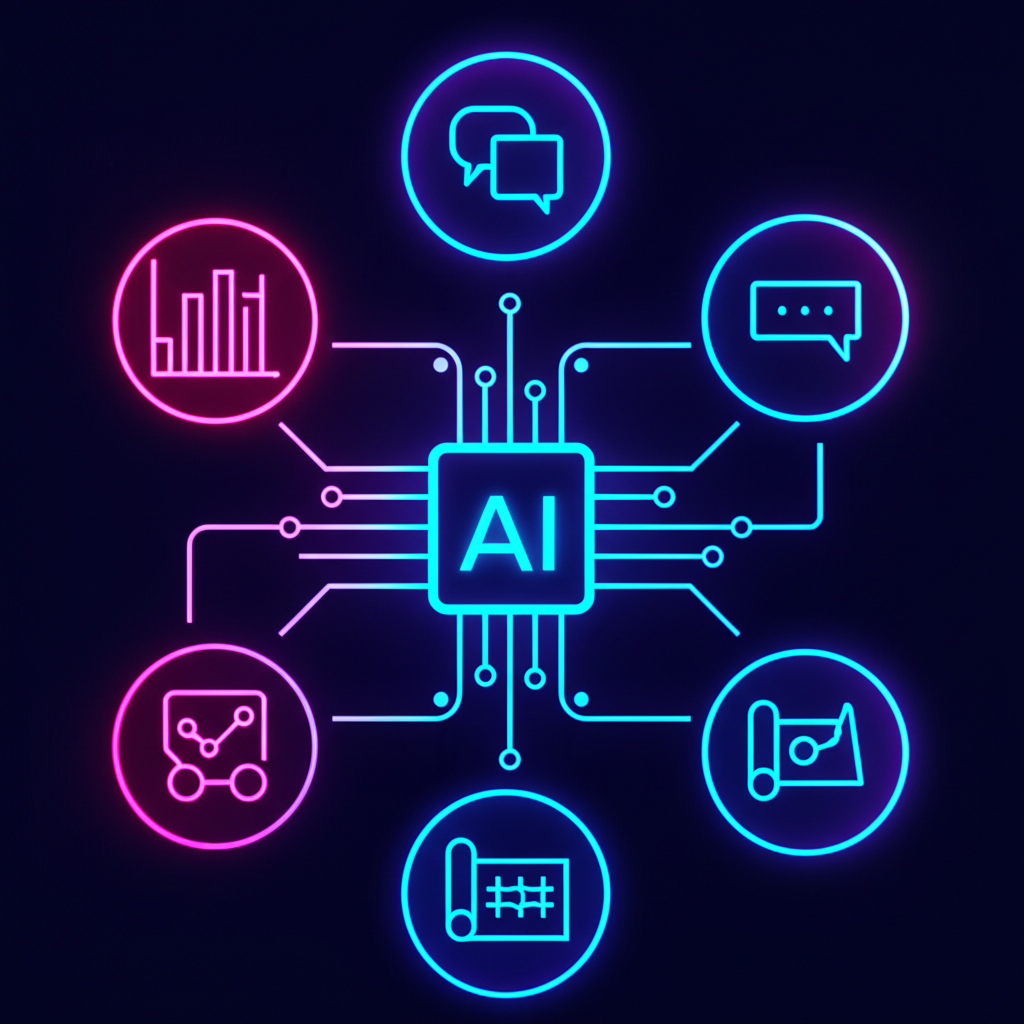
According to reports from ZDNET and Engadget, the new functionality enables users to perform sophisticated tasks without leaving the Claude environment. The capabilities extend far beyond simple data retrieval. Users can now build detailed project timelines in Asana, draft and format messages for Slack, create diagrams in Figma, and even query analytics in Amplitude directly through natural language prompts.
This development, described by Ground News as "enabling its flagship chatbot to operate directly within critical workplace platforms," signifies a shift toward agentic AI. Rather than simply suggesting a code fix or drafting an email, Claude can now identify a bug reported in Slack, analyze the relevant code repository, propose a fix, and update the original Slack thread-a process Anthropic refers to as "collaborative debugging."
"Users can now build project timelines in Asana, draft formatted Slack messages, create Figma diagrams, and query Amplitude analytics-all without leaving [the chat]." - Blockchain News
Strategic Implications for the Enterprise
The timing of this release is critical. As noted by VentureBeat, the Slack integration arrives at a pivotal moment. With OpenAI reportedly developing its own suite of workplace tools that could potentially rival platforms like Slack, Anthropic's strategy appears to be one of deep alliance rather than displacement. By embedding itself as the intelligence layer atop existing tools, Anthropic secures its utility within the current enterprise tech stack without forcing companies to abandon their preferred software.
Digital Trends highlights that this update turns Claude into a "real productivity hub." The integration list at launch is substantial, including Amplitude, Box, Canva, Clay, Hex, Monday.com, and Salesforce coming soon. This broad ecosystem approach suggests Anthropic is betting on interoperability as its primary differentiator.
Technical Underpinnings: The Model Context Protocol
At the heart of this expansion is the Model Context Protocol (MCP). As detailed by The Register, this framework allows the AI to be proxied within the chat interface to access external tools securely. This is not merely a screen-scraping exercise but a structured API-level interaction that promises greater reliability and security than previous ad-hoc solutions.
Security Enterprise Cloud Magazine (Seczine) reports that alongside workplace apps, the update includes support for direct health-data connections, allowing users to securely read metrics from Apple Health and Android Health Connect. This expansion into personal data, alongside professional data, indicates Anthropic's ambition to be a ubiquitous assistant across all facets of a user's digital life.
Market Analysis and Future Outlook
The move forces a re-evaluation of the competitive landscape. While OpenAI has focused heavily on multimodal capabilities (voice and video), Anthropic is doubling down on text-based enterprise workflows. By solving the "context switching" problem-a major drain on productivity-Claude positions itself as the superior tool for knowledge workers who spend their days navigating between project management boards, design tools, and communication platforms.
However, this level of integration raises new questions regarding data privacy and corporate governance. Granting an AI agent read/write access to sensitive corporate channels like Slack requires a high degree of trust. While Anthropic has built its brand on "Helpful, Honest, and Harmless" AI, enterprise IT departments will likely scrutinize these integrations closely before widespread deployment.
Looking ahead, the success of this initiative will depend on developer adoption of the MCP framework. If Anthropic can cultivate a rich ecosystem of third-party plugins-similar to Apple's App Store model but for AI agents-it could build a defensive moat that raw model performance alone cannot bridge. As we move through 2026, the battle for AI dominance is shifting from who has the smartest chatbot to who has the most useful, integrated digital employee.


