Is the current state of travel planning and hospitality management truly meeting the demands of the modern global traveler, or are we merely clinging to outdated processes in an era defined by instant connectivity and personalization?
As someone deeply immersed in the tech landscape, particularly from my vantage point in Gujarat, India, I've witnessed countless industries grapple with the pace of digital transformation. The travel and hospitality sector is no exception, and frankly, it's been lagging. For years, the promise of truly personalized travel experiences felt like a distant dream, overshadowed by generic recommendations and cumbersome booking processes. But this is no longer the case. The advent of sophisticated AI agents is not just an upgrade; it's a fundamental paradigm shift, and this article will illuminate precisely why.

The Traveler's Dilemma: Lost in Generic Recommendations
The typical traveler today is bombarded with an overwhelming volume of information. We seek unique experiences, seamless journeys, and personalized touches that cater to our individual preferences, budgets, and travel styles. Yet, the standard industry approach often falls short, offering one-size-fits-all packages that ignore the nuanced desires of the modern globetrotter. After working through this with dozens of clients in the travel tech space, I've seen how frustration mounts when booking platforms present the same popular destinations and hotels to everyone, regardless of their specific interests. This generic approach not only fails to inspire but also leads to missed opportunities for both the traveler and the service provider.
The standard industry advice often revolves around collecting more data. While data is crucial, the problem isn't a lack of data; it's the inability to intelligently process and act upon it to create truly bespoke experiences. Many legacy systems are siloed, unable to connect disparate pieces of information about a traveler's past trips, stated preferences, and even social media activity to craft a holistic picture. This is where conventional wisdom breaks down, leaving a void that only advanced AI can fill.
The AI Agent Framework: Crafting Journeys, Not Just Bookings
The true power of AI agents in travel and hospitality lies in their ability to move beyond transactional interactions to build dynamic, personalized relationships. This isn't about simply automating existing tasks; it's about re-imagining the entire guest journey from inspiration to post-trip engagement. The framework I advocate for, and which we implement at nicgulf.com, is built on three core pillars: hyper-personalization, operational intelligence, and predictive engagement.
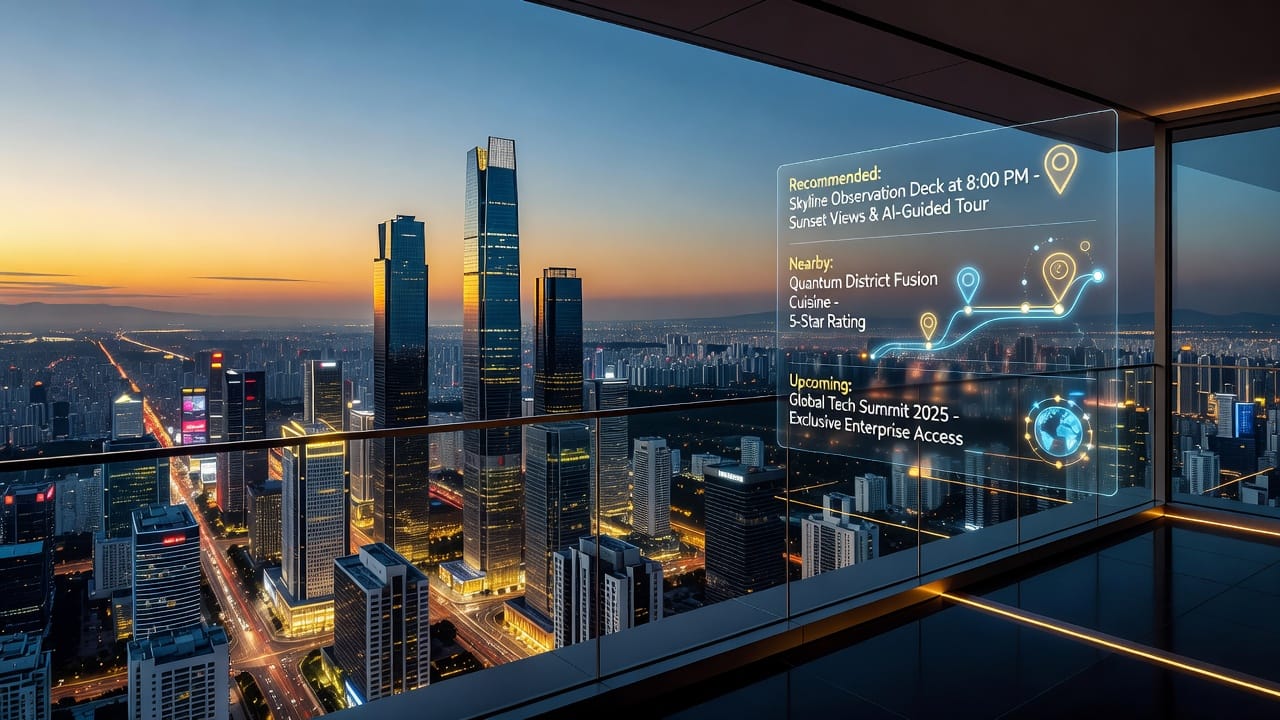
Firstly, hyper-personalization means leveraging AI to understand each traveler at an individual level. This involves analyzing past travel history, stated preferences, budget constraints, and even real-time contextual information (like current events or weather) to suggest destinations, activities, accommodations, and dining options that are precisely tailored. Think of an AI agent that doesn't just suggest Paris, but suggests a boutique hotel in the Marais district, a specific Michelin-starred restaurant known for its tasting menu, and a private guided tour of lesser-known art galleries, all based on a traveler's known penchant for art, fine dining, and off-the-beaten-path experiences.
Secondly, operational intelligence focuses on streamlining the back-end processes that enable these personalized experiences. This includes automated reservation management, dynamic pricing that adjusts based on demand and competitor analysis, and AI-driven customer support that can handle routine inquiries 24/7. This frees up human staff to focus on more complex, high-value guest interactions that truly elevate the service.
Finally, predictive engagement anticipates guest needs before they even arise. This could range from predictive maintenance for hotel facilities to proactively offering late check-out options based on flight schedules or suggesting local events aligned with a traveler's known interests. It's about creating a seamless, intuitive, and delightful experience at every touchpoint.
AI Agents in Action: Transforming the Guest Experience
The theoretical framework comes alive when we look at real-world applications. Take, for instance, hyper-personalized travel planning. Instead of sifting through hundreds of generic listings, a traveler can interact with an AI agent via a chatbot or voice interface. They might say, "I want a relaxing beach vacation in Southeast Asia for two weeks in November, focusing on eco-friendly resorts and authentic local cuisine, with a budget of around $5,000." The AI agent, drawing on its vast knowledge base, can then present a curated list of options, complete with personalized itineraries, reviews from similar travelers, and even virtual tours of the suggested accommodations. Companies like Booking.com are increasingly incorporating such intelligent features to enhance user experience.
Hotel concierge services are also being revolutionized. Imagine an AI-powered virtual concierge that can handle everything from room service orders and restaurant reservations to providing local recommendations and troubleshooting common issues, all accessible through a mobile app or in-room device. This not only enhances guest convenience but also significantly reduces the workload on human staff, allowing them to focus on more personalized interactions and complex problem-solving. Hilton has experimented with digital concierges, showcasing the potential for this technology.
Dynamic pricing is another area where AI agents are making a substantial impact. By analyzing real-time demand, competitor pricing, local events, and even weather patterns, AI can adjust room rates and package deals instantaneously. This ensures optimal revenue for hotels while offering competitive and sometimes surprising deals to travelers, especially those who are flexible with their booking dates or preferences. According to McKinsey research, dynamic pricing strategies powered by AI can lead to significant revenue uplift.
Streamlining Operations: The Unseen Engine of Hospitality
Beyond guest-facing applications, AI agents are also quietly revolutionizing the operational backbone of the travel and hospitality industry. Managing reservations, for example, can be a complex logistical challenge, especially during peak seasons. AI-powered systems can automate booking confirmations, manage cancellations and rebookings, and even optimize room allocation to maximize occupancy and revenue. This level of efficiency was once only achievable with large, dedicated teams, but AI makes it accessible even for smaller businesses.
Predictive maintenance is another game-changer. By analyzing data from sensors on HVAC systems, plumbing, and other critical infrastructure, AI agents can predict potential failures before they occur. This allows hotels to schedule maintenance proactively, preventing disruptions to guest stays and avoiding costly emergency repairs. This foresight ensures a consistently high standard of service and guest satisfaction.
Furthermore, AI-driven customer support, powered by natural language processing, can handle a vast array of inquiries, from simple FAQs about hotel amenities to complex booking modifications. This 24/7 availability ensures that guests receive timely assistance, regardless of their location or time zone, significantly enhancing their overall experience and loyalty. Platforms like Salesforce offer robust AI solutions for customer service automation.
| Key AI Application | Impact on Guest Experience | Impact on Operational Efficiency | Example Metric |
|---|---|---|---|
| Hyper-Personalized Recommendations | Increased satisfaction, discovery of new experiences | Higher conversion rates for bookings | 25% increase in booking conversion from personalized offers (Source: Statista, 2024) |
| Automated Concierge Services | Instantaneous support, enhanced convenience | Reduced guest service agent workload by 30% | Average query resolution time reduced by 60% |
| Dynamic Pricing Models | Access to optimal value, personalized offers | Optimized revenue and occupancy rates | Up to 15% increase in RevPAR through dynamic pricing |
| Predictive Maintenance | Uninterrupted comfort and service quality | Reduced operational costs and downtime | 10% reduction in unexpected maintenance costs |
The Rise of Smart Tourism and AI-Powered Hospitality
The integration of AI agents is accelerating the trend towards smart tourism. This involves leveraging technology to create more intelligent and responsive travel environments. From smart cities that optimize visitor flow and resource management to AI-powered navigation apps that provide real-time, context-aware guidance, the entire travel ecosystem is becoming more interconnected and efficient. Google Maps and other navigation services are early examples of this, constantly evolving with AI-driven insights.
AI-powered hospitality is more than just automation; it's about creating a seamless, intuitive, and deeply personalized guest experience. This is about understanding the subtle cues of guest behavior, anticipating needs, and delivering service that feels effortless and genuinely thoughtful. It's the future where technology works in the background, ensuring that every aspect of a traveler's journey is as smooth and enjoyable as possible. The goal is to move from reactive problem-solving to proactive, predictive guest delight.
What nobody tells you is that implementing AI in hospitality isn't just about adopting new software; it's a cultural shift. It requires a commitment to data integrity, continuous learning, and a willingness to empower both your technology and your human teams to collaborate seamlessly for the ultimate guest benefit.
Embracing the Future: Your Next Move
The revolution is here, and the travel and hospitality sector stands to gain immeasurably from the strategic integration of AI agents. From crafting hyper-personalized travel plans that delight customers to streamlining operations and driving revenue growth, these intelligent systems are no longer a luxury but a necessity for staying competitive in the global market. It's about creating experiences that resonate deeply and fostering loyalty that lasts.
Are you ready to unlock the full potential of AI for your travel or hospitality business? Don't let outdated processes hold you back from delivering the exceptional, personalized experiences your guests demand. The future of travel is intelligent, and it's available now.
Your challenge for the next 24 hours: Identify ONE specific area within your current travel or hospitality operations where manual effort is high and personalization is low. What is that one bottleneck? Once identified, research one AI tool or service that could potentially automate or personalize that specific task. Take that first concrete step.
